Solitude vs Loneliness: What an AI Workday Can Blur
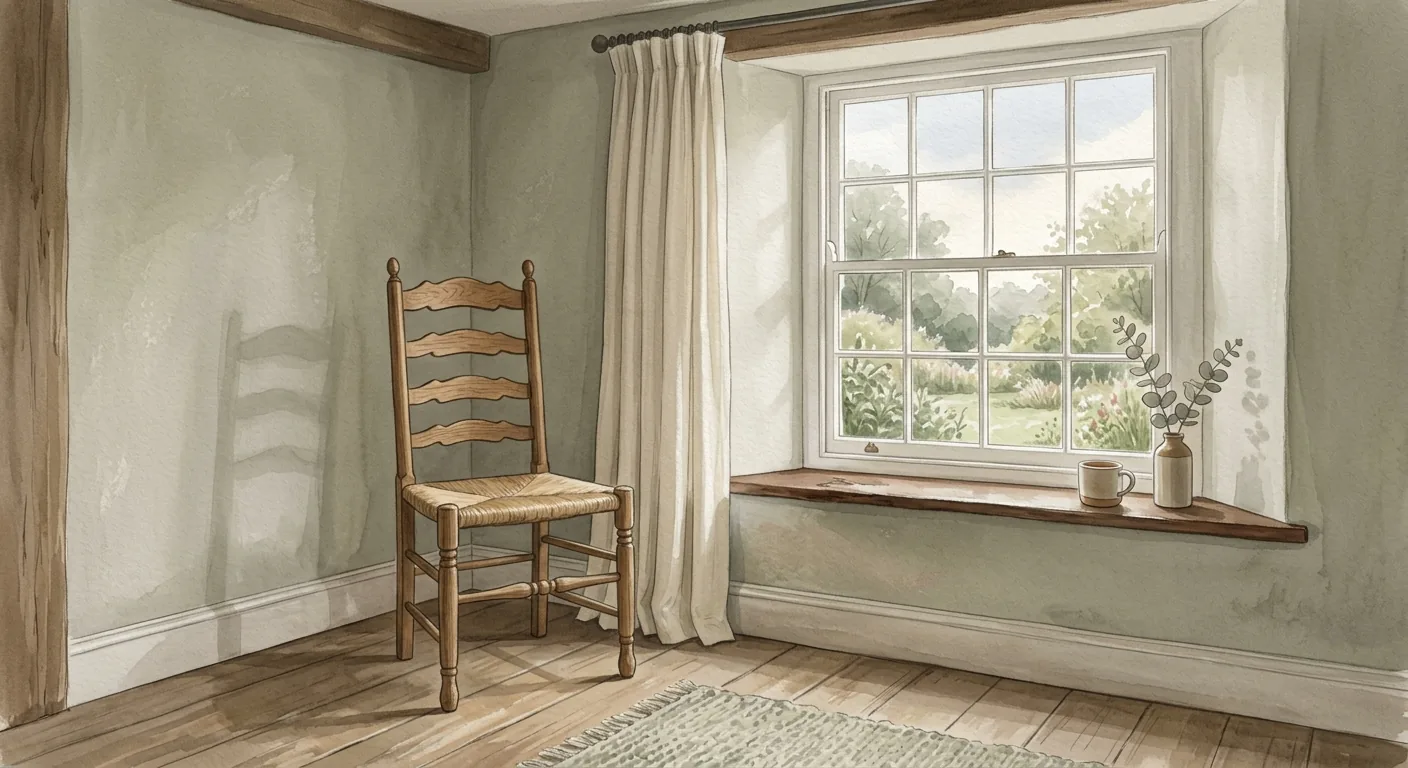
Being alone is not the same as being lonely, and the difference comes down to whether the quiet was chosen. A 2026 study ties chosen solitude to steadier well-being, and an always-on AI workday can quietly crowd it out.
Being alone and being lonely are not the same thing, and the difference comes down to one question: was the quiet chosen? A large 2026 survey ties chosen, restorative solitude to steadier well-being. An always-on AI workday can leave a person at a desk alone all day without ever delivering the empty, chosen kind of quiet that actually settles the mind.
A developer I know spends most of his day at a desk by himself. Long stretches with no meetings, no one walking over. By any headcount, he is alone. And yet a lot of those days leave him wrung out in a way a genuinely quiet afternoon never does. There is always a tool one keystroke away, always something ready to answer back. He is alone all day. He almost never gets solitude.
Solitude, loneliness, and the part that actually restores
The research pulls apart three things that hide inside the phrase “being alone.” There is the plain fact of being by oneself. There is loneliness, the ordinary ache of wanting connection that is not there. And there is chosen solitude, the kind entered on purpose, which tends to settle a person rather than drain them. A study published earlier this year in a psychology journal, not this week, surveyed more than a thousand adults and put the split cleanly: being physically alone is just a fact, loneliness is a negative read on that fact, and chosen solitude is a kind of inner refueling.
The same work linked chosen solitude to steadier well-being and to something the researchers call psychological flexibility, which is roughly the capacity to stay workable when things press in. The effect was real but modest, the kind of association a survey can show without proving cause.
"Positive solitude accounted for 3% of the variance in perceived social support and 9% in psychological flexibility."
What carries the benefit, across decades of this literature, is not the amount of alone time. It is whether the time was chosen. Alone time a person picks tends to restore. Alone time that gets imposed tends to slide toward loneliness. That is the same thread running through the work on how heavy AI reliance can quietly wear down the felt sense of being capable, and it sits close to earlier writing here on solitude and the working mind.
The pivot between restoring solitude and draining aloneness is not how long a person sits alone. It is whether the quiet was theirs to choose.
The limits: a survey, young samples, and no AI
This is one cross-sectional survey, so it can show that chosen solitude and well-being travel together, not that one causes the other. The people in it were young, around age 24 on average, and were students and general adults, not working professionals deep in an AI-heavy job. The effect sizes were small. And nothing in the study is about screens, tools, or always-on assistants. The line from an always-available tool to the state of a person’s solitude is my read, not the researchers’ finding.
Was the quiet chosen and empty, or just filled?
Here is one thing to notice. On a day that felt alone-but-drained rather than alone-but-restored, check whether any of the quiet was actually empty and chosen, or whether a tool was in the loop the whole time. Sitting at a desk alone with something always answering is closer to a filled room than to real solitude. It has the shape of alone without the substance. Nothing needs fixing today. Just notice the difference between quiet you picked and quiet that got filled the second it opened. If one genuinely empty pocket turns up, point it at the work where the real returns show up first, or at nothing at all. Both do more than a day that never once went quiet.
The new shape of the workday is still being figured out one afternoon at a time. Being alone was never the problem. Losing the chosen, empty kind of alone is the part worth keeping an eye on.
Sources
- Perceived social support and psychological flexibility mediate the relationship between positive solitude and psychological wellbeing among Turkish adults - Frontiers in Psychology, 2026-04-08
- Empowerment of solitude: interactive impact of positive solitude, self-esteem, and hope on college students' life orientation - Frontiers in Psychology, 2026-04-15
- Deconstructing Solitude and Its Links to Well-Being - Social and Personality Psychology Compass, 2024-01-01
- Experiences of solitude in adulthood and old age: The role of autonomy - The Journals of Gerontology, Series B, 2018-01-01
Written by Kinan Hamwi, Founder of Cerevisor.